
BIPOC Community Health Worker Program
Need help finding healthcare, behavioral health services, substance use treatment, or other community resources? Our BIPOC Community Health Worker Program connects Black, Indigenous, Latinx, and other people of color with support, referrals, and services throughout Lane County.
UPCOMING EVENTS
The NAACP Eugene-Springfield Branch hosts events that bring people together around health, wellness, and basic needs. Whether it's a community health fair, food pantry support, health education, or resource connections, these programs are designed to reduce barriers and ensure families can access the care and support they deserve.
The BIPOC Community Health Worker (CHW) program is a collaborative effort between the NAACP and HIV Alliance. This program grew out of a recognized need in the community to navigate medical care during the height of the COVID shutdown. Sticking true to our roots, our program works to address barriers in medical care and social determinants of health—meaning nonmedical factors that impact health and health outcomes. This can include, but is not limited to: signing up for health insurance through OHP, OHP bridge, and marketplace; access to transportation for medical appointments, either through RideSource, bus passes, or with one of our CHWs; navigating social services, such as coordination of care through Senior and Disability services, DHS, etc.; and referrals to other community agencies, such as behavioral health, substance use disorder treatment, and more. Our community health workers are culturally informed through both lived experience and facilitated trainings. We would be happy to meet you where you are and work together to achieve your health goals
Community Health Workers (CHWs) provide culturally responsive support, help navigate complex systems, and work alongside community members to identify needs and connect them with available services.
Our Community Health Workers can assist with:
Finding and accessing medical care
Connecting to behavioral health services
Navigating substance use treatment options
Accessing social services and community resources
Understanding available programs and support systems
Referrals to local providers and organizations
Must identify as Black, Indigenous, or person of color
Must be 18 years or older
Must currently reside in Lane County
REQUIREMENTS
Interested in receiving support or learning more about the program? Contact a Community Health Worker (listed below) directly or complete our interest form to get started.
BIPOC Community Health Workers
-
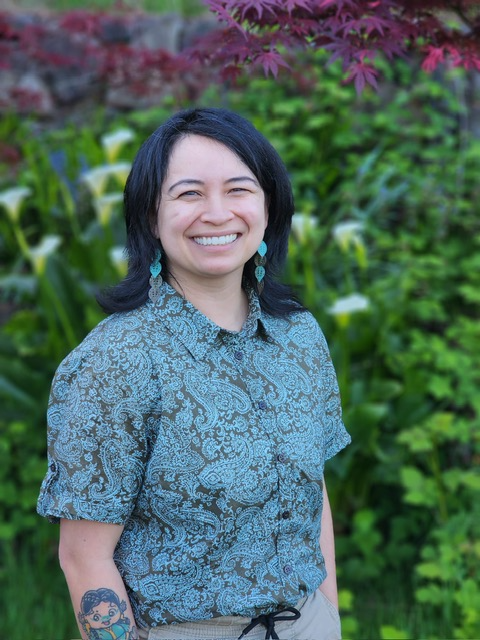
Kharina Miramontes
NAACP Community Health Worker
they/them/theirs
kmiramontes@allianceor.orgKharina Miramontes is a BIPOC Community Health Worker (CHW) with the HIV Alliance in Eugene, Oregon, serving through the BIPOC Community Health Worker Program. In partnership with the Eugene-Springfield NAACP, Kharina works to reduce barriers to medical care, substance use treatment, and behavioral and social services for Black, Indigenous, and other communities of color.
Grounded in grassroots organizing and community service, Kharina brings both lived experience and professional expertise to this role. They are committed to advancing equity and improving health access and outcomes for BIPOC communities throughout the Eugene area.
-
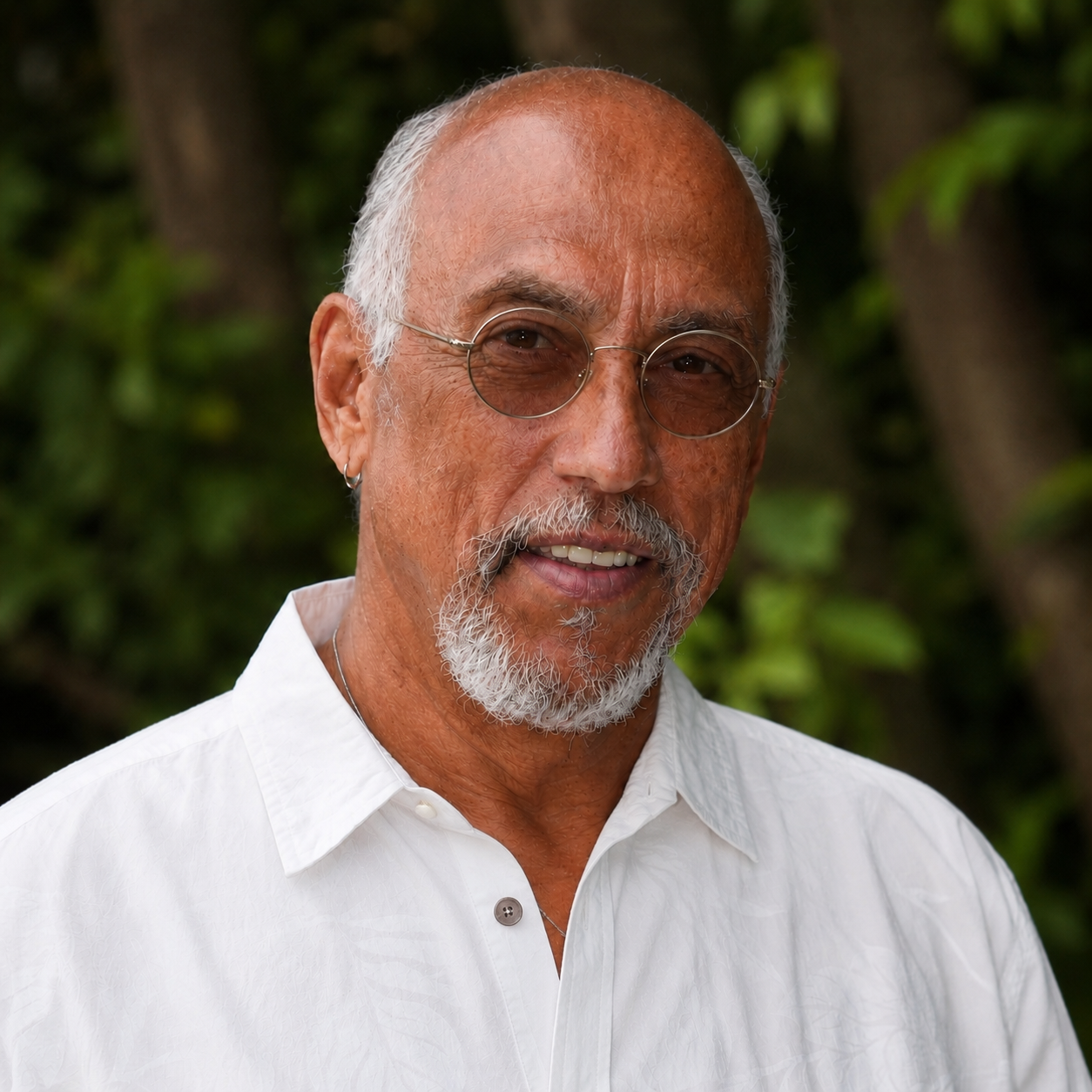
Rico Perez
Community Health Worker PSS
he/him/his
rperez@allianceor.orgRico is a BIPOC Community Health Worker with HIV Alliance, working in partnership with the NAACP to provide culturally responsive outreach, education, and support to underserved communities. Drawing on decades of lived experience and community leadership, he focuses on building trust, improving access to care, and addressing health disparities affecting Black and Brown populations in Lane County.
His work is rooted in a long history of advocacy that began in the 1980s, when he organized MLK celebrations at Lane Community College and brought national civil rights leaders to Eugene. Over the years, Rico has served in leadership roles with the Eugene Human Rights Commission, NAACP, Centro Latino Americano, and the Community Alliance of Lane County.
During the COVID-19 pandemic, he led large-scale food distribution efforts and helped establish one of the largest food pantries in East Springfield. Today, Rico continues his commitment to community wellness through his role at HIV Alliance, where he uses his voice, relationships, and experience to uplift and support others.